
What Are the Visual Symptoms of Binocular Vision Dysfunction (BVD)?
Binocular Vision Dysfunction (BVD) can make everyday vision uncomfortable, but it often goes unnoticed. People with BVD have trouble when their eyes do not work together properly. This can cause different visual symptoms that are sometimes easy to miss or confuse with other problems.
Recognizing the early signs of BVD helps you take steps to protect your eye health.
Common Visual Symptoms of BVD
If you are having vision problems, it could be more than just needing new glasses. Here are some common symptoms of BVD to watch for:
- Double Vision or Blurry Vision
Double vision is the most obvious sign of BVD. When your eyes are out of sync, they send mixed messages to your brain. This makes it tough to merge images into one clear picture. Everyday tasks like reading or driving can suddenly become much more challenging.
- Eye Strain or Fatigue
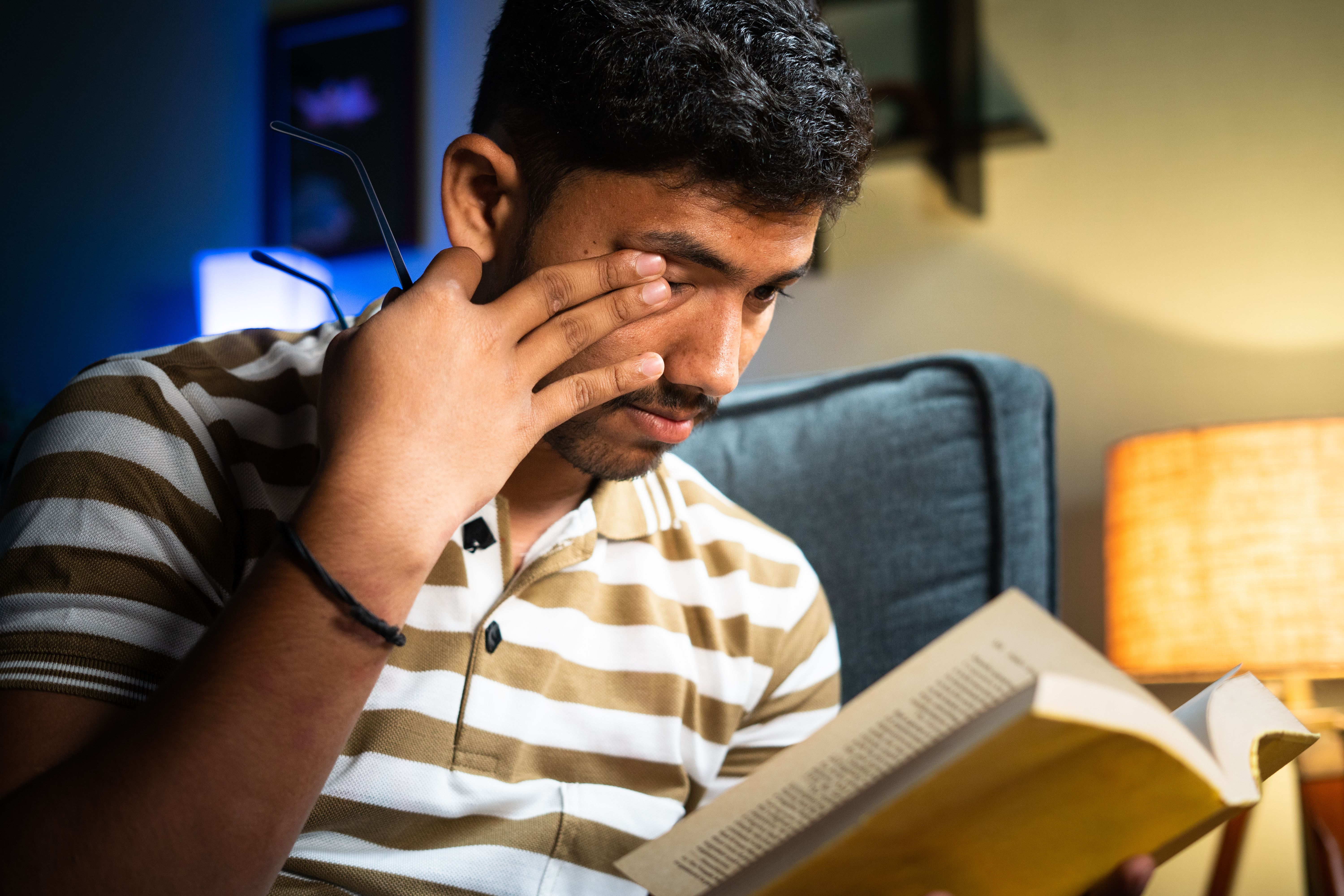
When your eyes do not work together well, they have to work harder to focus. This extra effort can make your eyes feel tired, even after a short time. If you often rub your eyes or feel discomfort after reading, using a computer, or watching TV, BVD might be the reason.
- Trouble Focusing on Near or Distant Objects
BVD can make it hard to switch focus between things that are close and things that are far away. You might notice it is harder to see objects up close or at a distance. This happens because your eyes are not lining up as they should.
- Frequent Headaches
People with BVD often get headaches. When the eyes do not work together, it puts extra strain on the brain, which can cause tension headaches, especially around the forehead or behind the eyes. If you have frequent headaches and trouble focusing, talk to an eye care professional.
- Sensitivity to Light
People with BVD are often more sensitive to light, also called photophobia. When the eyes are misaligned, bright lights, glare, or sunlight can feel very uncomfortable. If your eyes are especially sensitive to light, BVD might be the cause.
- Poor Depth Perception
BVD can also cause problems with depth perception. When your eyes are not aligned, it is harder to judge distances. This can make tasks like driving or reaching for things more difficult and may lead to accidents.
When to Seek Help
If any of these symptoms sound familiar, it is important to see an eye care professional. An eye doctor can check how well your eyes work together with a full exam. This may include tests for eye movement, alignment, and overall function. Ignoring the symptoms may lead to worsening discomfort and even permanent visual issues. Treatment options can include vision therapy, corrective lenses, or other interventions.
Why Regular Eye Exams Matter
Regular eye exams are important for finding conditions like BVD. During an exam, your eye doctor checks how well your eyes work together and looks for any problems with your vision. Routine exams can catch issues early, before they affect your daily life.
If you notice any of these symptoms, see an eye care professional. Getting help early can bring relief and improve your quality of life.
To learn more about BVD symptoms, visit Learn to See Vision Clinic in Minneapolis, Minnesota. Call (612) 724-5125 to make an appointment.
https://my.clevelandclinic.org/health/diseases/binocular-vision-dysfunction-bvd
Helpful Resources
article_category: products
article_category: psychiatry
article_category: faqs
article_category: cats
article_category: general
article_category: services
article_category: technology
article_category: dogs
article_category: restorative
article_category: vision therapy
article_category: contact lenses
article_category: health
article_category: conditions
article_category: eye surgery co-management
article_category: exotic
article_category: cosmetic
article_category: surgical procedures
article_category: aesthetics
article_category: preventative
article_category: ocular disease management
article_category: eyeglasses
article_category: eye health
article_category: large animal
[]
article_category: psychiatry
article_category: faqs
article_category: cats
article_category: general
article_category: services
article_category: technology
article_category: dogs
article_category: restorative
article_category: vision therapy
article_category: contact lenses
article_category: health
article_category: conditions
article_category: eye surgery co-management
article_category: exotic
article_category: cosmetic
article_category: surgical procedures
article_category: aesthetics
article_category: preventative
article_category: ocular disease management
article_category: eyeglasses
article_category: eye health
article_category: large animal
[]
Flowbite is an open-source library of interactive components built on top of Tailwind CSS including buttons, dropdowns, modals, navbars, and more.
Check out this guide to learn how to get started and start developing websites even faster with components on top of Tailwind CSS.

Is a hidden vision problem getting in the way?
You deserve answers to the debilitating symptoms holding you back.

Keep In Touch
Please contact us for a free phone consultation with Dr. Les. He’ll listen to your concerns and help you take the next steps.
Quick Links
Our Services
Contact Info
- 3319 E. 25th Street
Minneapolis, MN 55406 - Phone: (612) 724-5125
- Fax: (651) 389-9295
Hours of Operation
- Monday 8:00 am - 6:00 pm
- Tuesday 8:00 am - 6:00 pm
- Wednesday 8:00 am - 6:00 pm
- Thursday 8:00 am - 6:00 pm
- Friday 8:00 am - 6:00 pm
- Saturday Closed
- Sunday Closed
- Monday
- Tuesday
- Wednesday
- Thursday
- Friday
- Saturday
- Sunday
- Monday
- Tuesday
- Wednesday
- Thursday
- Friday
- Saturday
- Sunday
Best to call Dr. Les between 11:00 AM and 2:00 PM.
Otherwise he may be with patients, but he'll return your message as soon as possible.
© 2026 Learn to See Vision Clinic. All rights Reserved -
Accessibility Statement
-
Privacy Policy
-
Sitemap
Managed and Designed by 